

Serving Lincoln And Surrounding Counties
Denver704-483-2016
Lincolnton and Blowing Rock704-735-1423
Denver Adoption Lawyer
Experienced Adoption Attorney in Denver, NC
Adoption can be an exciting step toward building or expanding your family, but families in Denver, NC, and the surrounding Lake Norman area must navigate important legal requirements along the way. Whether you are pursuing a stepparent, relative, adult, or contested adoption, a skilled Denver adoption lawyer can help you understand the process, prepare the required documents, and address legal complications before they interfere with your plans.
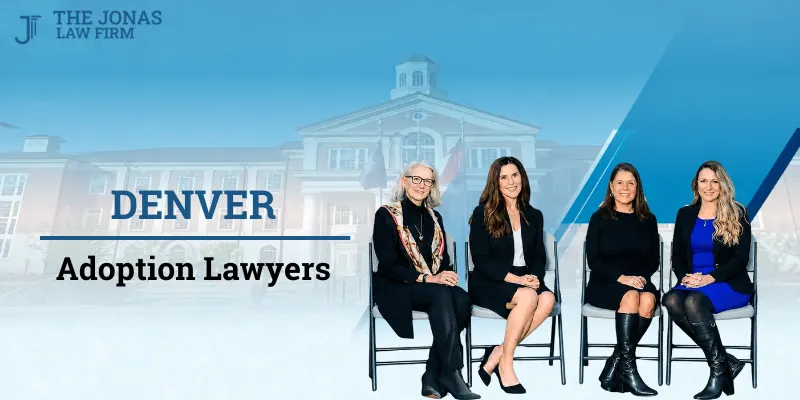
Why Trust The Jonas Law Firm, P.L.L.C. With Your Adoption?
Choosing an attorney for an adoption means choosing someone to help protect a family relationship that may last a lifetime. The Jonas Law Firm, P.L.L.C. has deep roots in Western North Carolina and was founded in 1912.
The firm has a substantial family-law foundation, with adoption among the family matters it handles. Its attorneys serve clients throughout Lincoln County and surrounding communities, including areas around Lake Norman. The Denver office is located at 1258 N. NC-16 Business Highway, providing a local option for families seeking legal guidance close to home.
The firm’s attorneys also bring extensive experience in North Carolina family law. Its official information identifies two attorneys as North Carolina State Bar Board Certified Family Law Specialists, while Johnathan L. Rhyne, Jr. is described as having more than 40 years of family-law experience.
Adoption Matters We Handle
In 2022, 1,303 children were adopted in North Carolina. No two families arrive at adoption through exactly the same circumstances. The legal requirements can change depending on the child’s relationship to the prospective parent, the involvement of biological parents, and whether anyone challenges the adoption. A Denver adoption attorney may assist with matters such as:
- Stepparent adoptions. When a stepparent seeks to become the child’s legal parent, the process can involve questions concerning parental rights, consent, notices, and required filings.
- Relative and kinship adoptions. Grandparents, relatives, and other family members may pursue adoption in circumstances where they have an established relationship with the child.
- Contested adoptions. If a biological parent or another legally recognized party objects to an adoption, additional legal proceedings may be necessary. These cases can require careful attention to parental rights and court procedures. This can be common in cases of foster care adoption. In North Carolina, at the end of February 2026, there were over 11,000 children in foster care.
- Adult adoptions. North Carolina law provides a process for certain adults to adopt other adults, creating a legally recognized parent-child relationship.
- Blended family adoptions. Adoption can provide a legal framework for families whose relationships already function as a family but need formal legal recognition.
- Nontraditional family adoptions. Families with circumstances outside a traditional parent-child arrangement may need individualized legal advice concerning how North Carolina law applies to their situation.
The Jonas Law Firm, P.L.L.C., has specifically identified stepparent, relative, contested, adult, blended-family, and nontraditional-family adoptions among the types of matters its attorneys assist with.
Understanding North Carolina Adoption Laws
Adoption is highly regulated because it permanently changes legal relationships between parents and children. The process may involve petitions, notices, consents, investigations, hearings, statutory waiting periods, and other procedural requirements depending on the circumstances.
North Carolina adoption laws can also create consequences when a filing is incomplete or a deadline is overlooked. The Jonas Law Firm, P.L.L.C., has cautioned that errors in adoption paperwork or missed deadlines can delay an adoption or create more serious complications. The firm also notes that biological-family involvement can affect the time and expense associated with an adoption.
Because adoption requirements depend heavily on the facts, families should avoid assuming that another person’s experience will mirror their own. An attorney can review the circumstances of your family and explain which legal requirements are likely to apply.
How an Attorney Can Help With Your Adoption Case
An adoption involves much more than submitting a petition. There are numerous details that must line up before a court can finalize the new legal relationship. Legal counsel may help by:
- Explaining the adoption procedure applicable to your circumstances
- Identifying documents, consents, and other information that may be required
- Preparing and reviewing adoption-related legal paperwork
- Helping address questions involving biological-parent rights
- Identifying potential procedural problems before they cause unnecessary delays
- Preparing you for hearings or other court requirements
- Communicating with other parties or attorneys when appropriate
- Responding to objections or disputes that arise during the proceeding
- Helping move the matter toward finalization
- Explaining what legal changes occur once the adoption is finalized
Having guidance throughout the process can make it easier to recognize problems early rather than discovering them after an important filing or deadline has passed.
FAQs
Does an Adopted Child Automatically Inherit From Adoptive Parents?
Generally, finalization establishes a legal parent-child relationship that carries important inheritance consequences. An adopted child is ordinarily treated as the child of the adoptive parent for purposes of intestate succession. Estate planning documents can also affect how property is distributed. Families should review wills, beneficiary designations, trusts, and related documents after an adoption becomes final.
Are Adoption Records Confidential in North Carolina?
North Carolina maintains confidentiality protections for adoption records, although access is governed by specific statutes and procedures. Birth parents, adult adoptees, adoptive parents, and other individuals may have different rights depending upon the record requested and the circumstances. Because sealed records are subject to legal restrictions, obtaining information may require following an established statutory process.
Can a Family Adopt a Child They Already Care For?
Possibly. Caring for a child does not automatically make someone the child’s legal parent, but an existing caregiving relationship may be relevant to the appropriate legal pathway. The circumstances surrounding the child’s placement, existing parental rights, court orders, and relationship between the parties can all matter. In some cases, prior child custody orders or guardianship proceedings may affect the legal pathway available. An attorney can identify which adoption procedures may apply.
What Documents Should I Gather Before an Adoption Consultation?
Useful materials may include existing custody orders, birth certificates, prior court documents, information concerning biological parents, and paperwork from earlier proceedings involving the child. Bring anything that could help explain the family’s legal history. You do not necessarily need every document before meeting an attorney; counsel can identify additional records needed after reviewing your circumstances.
Hire an Adoption Lawyer Today
Ready to protect your family’s future? Contact our team today to hire an adoption lawyer who understands North Carolina adoption matters.
Denver, North Carolina Adoption Related Resources:
- What You Need to Know About Stepparent Adoption in North Carolina
- What Is Kinship Care?
- What Is an Adoption Home Study?
Denver, North Carolina Adoption Legal Resources
Practice Areas



Request A Consultation
Fields Marked With An “*” Are Required
"*" indicates required fields

With an office in downtown Lincolnton a short drive away from the county courthouse, as well as an office in the growing Denver community, our attorneys represent clients throughout Western North Carolina in areas of family law, real estate, estate planning, and guardianship.
Follow Us
© Copyright 2026 The Jonas Law Firm, P.L.L.C. All rights reserved.
Digital Marketing By 
*Images are obtained under license from Canva and other third-party stock image providers, with attribution included where required.