

Serving Lincoln And Surrounding Counties
Denver704-483-2016
Lincolnton and Blowing Rock704-735-1423
Blowing Rock Real Estate Lawyer
Experienced Real Estate Attorney In Blowing Rock, NC
Navigating the property market in the High Country requires more than just a passing interest in mountain views. You need a deep understanding of unique regional property dynamics. Whether you’re trying to get a seasonal retreat or manage a commercial development, a dedicated Blowing Rock real estate lawyer provides the essential legal oversight needed to protect your investment.
In Watauga County, where property lines can be as rugged as the terrain, having a professional who understands local land use and zoning is a must for a seamless transaction. Mountain real estate often carries complexities hidden from the casual observer, such as shared access points, historic boundary issues, or specific conservation covenants unique to the area.
Addressing such concerns early on remains important for long-term peace of mind. The Jonas Law Firm, PLLC, team appreciates the character of this community and works tirelessly to guide clients through any and every complication so they can confidently focus on enjoying their property investment.

How a Lawyer Helps With Real Estate Processes
Real estate transactions in North Carolina can be legally complex, often involving various contractual obligations and regulatory hurdles. For those in Blowing Rock, these complexities can be magnified by specific local ordinances and the unique nature of mountain property rights.
A lawyer helps buyers and sellers handle the complicated parts of a real estate deal, like checking for hidden property rights or making sure the property title is clear. This way, they can feel confident and secure.
Applying North Carolina Real Estate Laws in Blowing Rock
In North Carolina, real estate law is governed by a combination of state statutes and common law principles. One of the most critical aspects for property owners in the High Country is understanding zoning regulations. Local legal insight is indispensable because Blowing Rock has specific ordinances and Land Use regulations, which:
- Aim to preserve the aesthetic and environmental integrity of the area
- Outline building height restrictions
- Govern protected ridgeline development
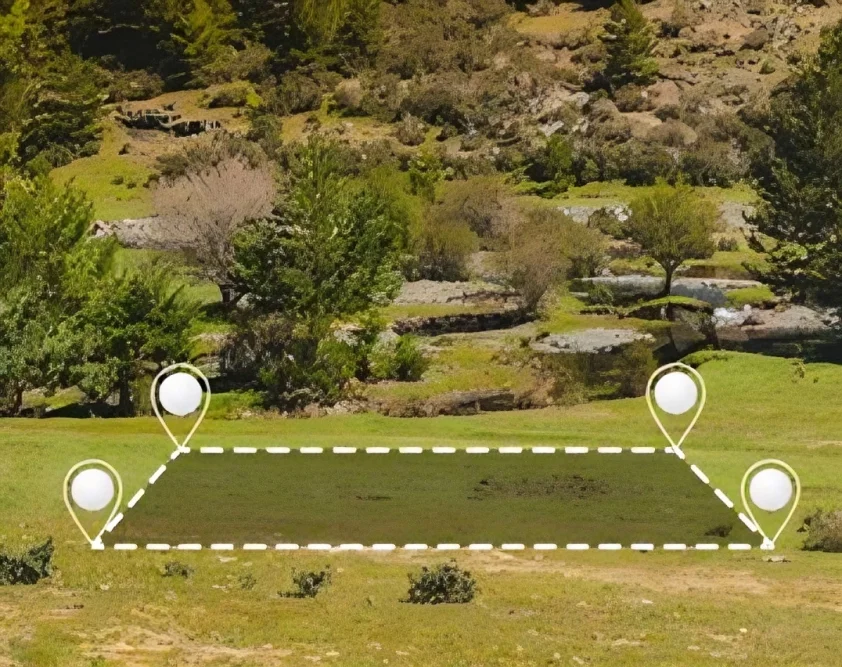
Property rights in Watauga County also involve careful consideration of boundaries and access. Due to the historical nature of mountain deeds, disputes over property lines or historical access rights can arise.
North Carolina General Statute § 47-18 establishes the Tar Heel State as a race-notice state. This means that the first person to record their interest in a property generally has priority. This underscores the importance of a thorough title search and prompt recording of documents. A Blowing Rock real estate attorney can interpret these real estate laws and apply them to your situation. Doing so confirms your property rights are fully protected against future claims.
Regional Real Estate Statistics
The North Carolina housing market has shown remarkable resilience and growth in recent years. According to data from the U.S. Census Bureau, the owner-occupied housing unit rate in North Carolina remains strong at approximately 66.6%.
Additionally, reports from the North Carolina Department of Commerce indicate that the real estate and construction sectors remain significant contributors to the state’s gross domestic product. The real estate, rental, and leasing industry contributed $106.8 billion in 2024, while construction contributed $41.4 billion.
Hire a Real Estate Lawyer
The decision to hire a real estate lawyer is a proactive step toward a successful closing. Unlike many other states where title companies handle the bulk of the transaction, North Carolina is an attorney state. This means a licensed lawyer must oversee the closing process. This professional is responsible for reviewing the purchase agreement, title abstract, and all loan documents to find potential issues before they become permanent problems.
By choosing to get an attorney, you secure an advocate who is solely focused on your interests. From negotiating repair credits to resolving unexpected liens, your attorney acts as the central coordinator for all parties involved, including:
- Realtors
- Lenders
- Surveyors
This comprehensive oversight can prevent costly delays and confirm that the final transfer of ownership is legally sound and binding, especially when guided by an experienced power of attorney lawyer.
FAQs
How Much Does a Real Estate Attorney Cost in North Carolina?
How much a real estate attorney costs in North Carolina varies depending on the scope of the services they provide. For a standard residential closing, many attorneys charge a flat fee that typically ranges from hundreds of dollars. This fee generally covers title examination, document preparation, and the closing meeting.
Commercial transactions or complex cases involving boundary disputes, for example, often get billed at an hourly rate. This reflects the additional time and skill required for those matters.
What Are Common Red Flags a Real Estate Attorney in North Carolina Can Help Identify?
Some common red flags a real estate attorney in North Carolina can help you identify include hidden easements, restrictive covenants, or title defects. They also review survey data, zoning restrictions, and contract terms to confirm that no underlying legal issues threaten your ownership rights. Early identification of these complications allows for proactive solutions, like renegotiating terms or addressing title clouds before the transaction proceeds.
What Is an Easement and How Does It Affect Property Ownership in North Carolina?
An easement is a legal right to use another person’s land for a specific purpose, such as access to a driveway or utility lines. These agreements can limit how property owners use or develop their land. A lawyer reviews deed records to identify existing easements, preventing future disputes and clarifying usage rights during the transaction.
What Is the Difference Between a Real Estate Agent and a Real Estate Attorney?
The difference between a real estate agent and a real estate attorney is that an agent manages the negotiation, marketing, and showing of properties. On the other hand, real estate attorneys handle the legal requirements of the transaction. They conduct the title search, prepare or review closing documents, manage fund transfers, and confirm that the deed is properly recorded. While agents focus on the sale, attorneys focus on protecting your ownership rights.
Protect Your Property Interests Today
Purchasing or selling property in Blowing Rock is a significant life event that deserves the highest level of legal attention. Don’t leave your investment to chance in the complex mountain market.
Contact The Jonas Law Firm, PLLC, to speak with a top Blowing Rock real estate lawyer today and schedule your consultation. Let us provide the professional oversight you need to secure your future in the High Country and confirm a successful conclusion to your real estate transaction.
Blowing Rock, NC Real Estate Resources
Practice Areas



Request A Consultation
Fields Marked With An “*” Are Required
"*" indicates required fields

With an office in downtown Lincolnton a short drive away from the county courthouse, as well as an office in the growing Denver community, our attorneys represent clients throughout Western North Carolina in areas of family law, real estate, estate planning, and guardianship.
Follow Us
© Copyright 2026 The Jonas Law Firm, P.L.L.C. All rights reserved.
Digital Marketing By 
*Images are obtained under license from Canva and other third-party stock image providers, with attribution included where required.